October 15th, 2026
Growth rarely breaks the network core. It breaks the layer nobody watches: cable runs, closet space, and wireless sized for half the staff. Learn more.
Read Full Story »
Posted in: Network Cabling
October 1st, 2026
Most technology plans are written once a year, reviewed never, and abandoned by February. The businesses that avoid that fate tie the plan to risk. Learn more.
Read Full Story »
Posted in: Managed IT Services
September 17th, 2026
Leading Managed Technology Services Provider (MTSP) Provides Innovative Technology to Transform and Enhance Processes ENGLEWOOD, CO - Technolink of the Rockies,. Learn.
Read Full Story »
Posted in: Managed IT Services
September 15th, 2026
Understanding VoIP Technology for Business Voice over Internet Protocol (VoIP) has revolutionized how businesses communicate, transforming traditional phone.
Read Full Story »
Posted in: Business Phone Systems
September 1st, 2026
Understanding Cloud Infrastructure Options for Modern Businesses As businesses increasingly migrate their operations to the cloud, they face a critical. Learn.
Read Full Story »
Posted in: Cloud Services
August 20th, 2026
New Technology Helps Businesses Answer Every Call, Improve Customer Service, and Free Employees for Higher-Value Work ENGLEWOOD, CO - Technolink of the. Learn.
Read Full Story »
Posted in: Business Phone Systems
August 15th, 2026
The Journey of IT Service Excellence Over 35 years in the managed technology services industry has taught us invaluable lessons about what truly matters to.
Read Full Story »
Posted in: Managed IT Services
August 1st, 2026
Understanding Cloud Security Challenges Cloud computing has revolutionized how businesses store, access, and manage their data. Learn more.
Read Full Story »
Posted in: Cybersecurity
July 23rd, 2026
Leading MTSP Explains New Secure AI Platform for SMBs ENGLEWOOD, CO - Technolink of the Rockies, a leading managed technology services provider (MTSP),. Learn.
Read Full Story »
Posted in: Cybersecurity
July 15th, 2026
Why Technology Planning Matters More Than Ever Business leaders often view technology as a necessary expense rather than a strategic asset. Read our article.
Read Full Story »
Posted in: Managed IT Services
July 10th, 2026
Leading MTSP Explains Why AI Behavior-Based Cybersecurity Outperforms Traditional Systems ENGLEWOOD, CO - Technolink of the Rockies, a leading Managed. Learn.
Read Full Story »
Posted in: Cybersecurity
July 1st, 2026
The Critical Importance of Business Continuity Planning When disaster strikes—whether it's a natural catastrophe, cyberattack, power outage, or global. Learn.
Read Full Story »
Posted in: Data Backup & Recovery
June 15th, 2026
The Foundation of Modern Business Operations Your network infrastructure is more than just cables and routers—it's the backbone that supports every aspect of.
Read Full Story »
Posted in: Network Cabling
June 1st, 2026
Why Smart Businesses Are Rethinking Their IT Strategy The decision to outsource IT management represents one of the most significant strategic choices a. Learn.
Read Full Story »
Posted in: Managed IT Services
May 20th, 2026
ENGLEWOOD, CO - Technolink of the Rockies, a leading Managed Technology Services Provider (MTSP), announced today the company has expanded their data discovery.
Read Full Story »
Posted in: Cybersecurity
May 15th, 2026
The Evolution of Business Phone Systems Traditional phone systems have served businesses well for decades, but modern organizations require more than just the.
Read Full Story »
Posted in: Business Phone Systems
May 1st, 2026
When most business owners think about video surveillance, they immediately picture security cameras monitoring entrances, exits, and parking lots to prevent.
Read Full Story »
Posted in: Video Surveillance
April 20th, 2026
Leading MTSP to Acquire AI Strategies to Help Customers Improve Efficiency, Security, and Customer Experience ENGLEWOOD, CO - Technolink of the Rockies, a.
Read Full Story »
April 15th, 2026
IT Management: Crafting a Strategic Approach for Business Success In the rapidly evolving business landscape, effective IT management has become a critical.
Read Full Story »
Posted in: Managed IT Services
April 1st, 2026
Navigating the Path to Cloud Success: Migration Strategies and Best Practices As businesses increasingly recognize the benefits of cloud computing, many are.
Read Full Story »
Posted in: Cloud Services
March 19th, 2026
Leading MTSP Shares How Forward-Thinking Businesses Are Using AI to Eliminate Revenue Leakage, Operational Chaos, and Costly Human Error ENGLEWOOD, CO -. Learn.
Read Full Story »
Posted in: Managed IT Services
March 16th, 2026
Effective communication is more crucial than ever. Learn more.
Read Full Story »
Posted in: Business Phone Systems
March 2nd, 2026
The way companies interact with their customers can make or break their success. Learn more.
Read Full Story »
Posted in: Business Phone Systems
February 16th, 2026
The Evolution of Business Communication As technology has advanced, so too have the ways in which we connect and collaborate. Learn more.
Read Full Story »
Posted in: Business Phone Systems
February 10th, 2026
Leading MTSP Introduces AI Acceptable Use Framework to Protect Organizations While Unlocking Productivity Gains ENGLEWOOD, CO - Technolink of the Rockies, a.
Read Full Story »
Posted in: Cybersecurity
February 2nd, 2026
As companies expand their reach and embrace remote work, the need for robust, reliable communication tools has skyrocketed. Learn more.
Read Full Story »
Posted in: Business Phone Systems
January 21st, 2026
Managing a complex IT infrastructure can be challenging, time-consuming, and often diverts valuable resources from core business activities. Read our article.
Read Full Story »
Posted in: Managed IT Services
January 8th, 2026
Leading MTSP Enhances Customer Profitability Above and Beyond Technology Solutions ENGLEWOOD, CO - Technolink of the Rockies, a leading managed technology.
Read Full Story »
January 2nd, 2026
Businesses rely heavily on their IT infrastructure to maintain operations, serve customers, and drive growth. Learn more.
Read Full Story »
Posted in: Managed IT Services
December 17th, 2025
Businesses rely heavily on their network infrastructure to stay competitive and efficient. Learn more.
Read Full Story »
Posted in: Network Cabling
December 3rd, 2025
Data is the lifeblood of any business. Learn more.
Read Full Story »
Posted in: Data Backup & Recovery
November 19th, 2025
Leading MTSP Raises the Bar for All Technology Providers ENGLEWOOD, CO - Technolink of the Rockies, a leading managed technology services provider (MTSP),.
Read Full Story »
Posted in: Managed IT Services
November 3rd, 2025
As technology advances, so do the threats to our businesses and employees. Learn more.
Read Full Story »
Posted in: Video Surveillance
October 18th, 2025
Staying current with telecommunications technology isn't just an option—it's a necessity for maintaining competitive advantage. Learn more.
Read Full Story »
Posted in: Managed IT Services
October 3rd, 2025
As technology continues to evolve, so do the ways we connect with colleagues, clients, and partners. Learn more.
Read Full Story »
Posted in: Business Phone Systems
September 16th, 2025
The Evolving Landscape of Customer Service As technology continues to advance, so do customer expectations. Learn more.
Read Full Story »
Posted in: Business Phone Systems
September 4th, 2025
Leading MTSP Pioneers New Technology to Advance Customers’ Organization ENGLEWOOD, CO - Technolink of the Rockies, a leading managed technology services. Learn.
Read Full Story »
Posted in: Managed IT Services
September 2nd, 2025
As organizations grow and evolve, the need for seamless interaction between team members, departments, and even remote workers has become paramount. Learn more.
Read Full Story »
Posted in: Business Phone Systems
August 18th, 2025
Businesses can no longer afford the luxury of reacting to technology problems after they occur. Learn more.
Read Full Story »
Posted in: Managed IT Services
August 1st, 2025
The Evolution of Business Communication Effective communication is more crucial than ever. Learn more.
Read Full Story »
Posted in: Business Phone Systems
July 23rd, 2025
Why Your Business Can't Afford Reactive Server Management Your server infrastructure isn't just important - it's the backbone of your entire operation. Learn.
Read Full Story »
Posted in: Managed IT Services
July 12th, 2025
Technolink of the Rockies Urges Business Owners to Prepare for October 14, 2025 and Avoid a Costly IT Crisis ENGLEWOOD, CO – Technolink of the Rockies, a.
Read Full Story »
Posted in: Managed IT Services
July 4th, 2025
Leading MTSP Helps Organizations Benefit by Moving Their Network Into the Cloud ENGLEWOOD, CO – Technolink of the Rockies, a leading managed technology.
Read Full Story »
Posted in: Cloud Services
July 2nd, 2025
The infrastructure that supports your technology can often be overlooked. Learn more.
Read Full Story »
Posted in: Network Cabling
June 17th, 2025
Why Modern Businesses Can't Afford to Neglect Data Backup and Recovery Businesses operate on a precarious edge. Learn more.
Read Full Story »
Posted in: Data Backup & Recovery
June 3rd, 2025
Businesses are constantly bombarded with new solutions promising increased efficiency and cost savings. Learn more.
Read Full Story »
Posted in: Business Phone Systems
May 27th, 2025
Leading MTSP Implements MultiFactor Authentication, which 72% of Organizations Lack ENGLEWOOD, CO – Technolink of the Rockies, a leading managed. Learn.
Read Full Story »
Posted in: Cybersecurity
May 17th, 2025
The Dawn of a New Communication Era As technology continues to evolve, so do the ways we connect and collaborate. Learn more.
Read Full Story »
Posted in: Business Phone Systems
May 4th, 2025
Enter the Current Technology Assurance Program (C-TAP), a game-changing solution offered by Technolink of the Rockies that's revolutionizing how businesses.
Read Full Story »
Posted in: Managed IT Services
April 17th, 2025
A modern contact center solution can be the key to transforming your customer experience and setting your business apart from the competition. Find out how.
Read Full Story »
Posted in: Business Phone Systems
April 10th, 2025
Technology Assurance Group Gathers Top Managed Technology Services Providers to Discuss the Future of Cloud IT, Cybersecurity, and Business Innovation. Learn.
Read Full Story »
April 1st, 2025
As technology advances, so do the methods criminals use to target businesses. Learn more.
Read Full Story »
Posted in: Video Surveillance
March 17th, 2025
Effective communication is more crucial than ever. Learn more.
Read Full Story »
Posted in: Business Phone Systems
March 3rd, 2025
Businesses rely heavily on their IT infrastructure to drive operations, enhance productivity, and maintain a competitive edge. Learn more.
Read Full Story »
Posted in: Managed IT Services
February 17th, 2025
Businesses rely heavily on their network infrastructure to stay competitive and efficient. Learn more.
Read Full Story »
Posted in: Network Cabling
February 4th, 2025
Leading Managed Technology Services Provider Guides Small to Mid-Sized Businesses Through an Innovative Technology Budget and Roadmap Process ENGLEWOOD, CO.
Read Full Story »
Posted in: Managed IT Services
February 3rd, 2025
Effective communication is the cornerstone of success. Learn more.
Read Full Story »
Posted in: Business Phone Systems
January 17th, 2025
Safeguarding Your Digital Infrastructure Businesses of all sizes rely heavily on their IT infrastructure to maintain operations, store critical data, and serve.
Read Full Story »
Posted in: Managed IT Services
January 4th, 2025
Leading Managed Technology Services Provider Demonstrates Highest Level of Expertise to Elevate Customer Success ENGLEWOOD, CO – Technolink of the. Learn.
Read Full Story »
January 2nd, 2025
Data has become the lifeblood of businesses across all industries. Learn more.
Read Full Story »
Posted in: Data Backup & Recovery
December 19th, 2024
Leading Managed Technology Services Provider Accelerates Customer Productivity and Profitability ENGLEWOOD, CO – Technolink of the Rockies a leading..
Read Full Story »
Posted in: Managed IT Services
December 16th, 2024
As a leading provider of business communication solutions, Technolink of the Rockies has witnessed firsthand the evolution of telephony systems over the past.
Read Full Story »
Posted in: Business Phone Systems
December 2nd, 2024
In today's fast-paced business world, reliable and advanced telecommunications systems are no longer a luxury but an absolute necessity. Get expert insights.
Read Full Story »
Posted in: Managed IT Services
November 18th, 2024
At Technolink of the Rockies, we understand that reliable and effective communication is the backbone of any successful business. Learn more.
Read Full Story »
Posted in: Business Phone Systems
November 4th, 2024
Leading MTSP Encourages Companies to Maximize Profits with Updated Tax Code Benefits ENGLEWOOD, CO – Technolink of the Rockies, a leading managed. Learn.
Read Full Story »
Posted in: Managed IT Services
November 1st, 2024
As businesses strive to provide exceptional customer experiences, the contact center has become a critical component in achieving this goal. Read our article.
Read Full Story »
Posted in: Business Phone Systems
October 16th, 2024
At Technolink of the Rockies, we understand the importance of efficient and effective communication for businesses of all sizes. Learn more.
Read Full Story »
Posted in: Business Phone Systems
October 9th, 2024
Leading MTSP Proactively Conducts Website Audits to Enhance Cybersecurity ENGLEWOOD, CO – Technolink of the Rockies a leading Managed Technology Services.
Read Full Story »
Posted in: Cybersecurity
October 1st, 2024
As a business owner, you have a myriad of responsibilities to juggle, from managing employees and finances to overseeing operations and serving customers..
Read Full Story »
Posted in: Managed IT Services
September 16th, 2024
In today's digital age, businesses of all sizes rely heavily on their network infrastructure to keep operations running smoothly. Learn more.
Read Full Story »
Posted in: Network Cabling
September 5th, 2024
Jeff O’Neill of Technolink of the Rockies Describes Why This Solution Is in High Demand ENGLEWOOD, CO – Managed IT services is rapidly becoming one of the.
Read Full Story »
Posted in: Managed IT Services
September 2nd, 2024
In the ever-evolving landscape of business operations, security and safety have emerged as paramount concerns, transcending mere risk mitigation to become.
Read Full Story »
Posted in: Video Surveillance
August 16th, 2024
In today's digital age, data is the lifeblood of most businesses. Learn more.
Read Full Story »
Posted in: Data Backup & Recovery
August 12th, 2024
Leading Managed Technology Services Provider (MTSP) Is at the Forefront of Protecting the Region’s Organizations ENGLEWOOD, CO – Technolink of the Rockies.
Read Full Story »
Posted in: Cybersecurity
August 5th, 2024
In our modern, fast-paced business landscape, the ability to collaborate effectively has become paramount for success. Learn more.
Read Full Story »
Posted in: Cloud Services
July 16th, 2024
In today's fast-paced business world, staying ahead of the curve is crucial for success. Learn more.
Read Full Story »
Posted in: Managed IT Services
July 5th, 2024
Leading MTSP Enhances Communications for Local Organizations ENGLEWOOD, CO – Technolink of the Rockies, a leading managed technology services provider,.
Read Full Story »
Posted in: Business Phone Systems
July 1st, 2024
At Technolink, we understand the critical role effective communication plays in driving business success. Learn more.
Read Full Story »
Posted in: Business Phone Systems
June 18th, 2024
Businesses rely heavily on technology to operate efficiently and stay competitive. Learn more.
Read Full Story »
Posted in: Managed IT Services
June 11th, 2024
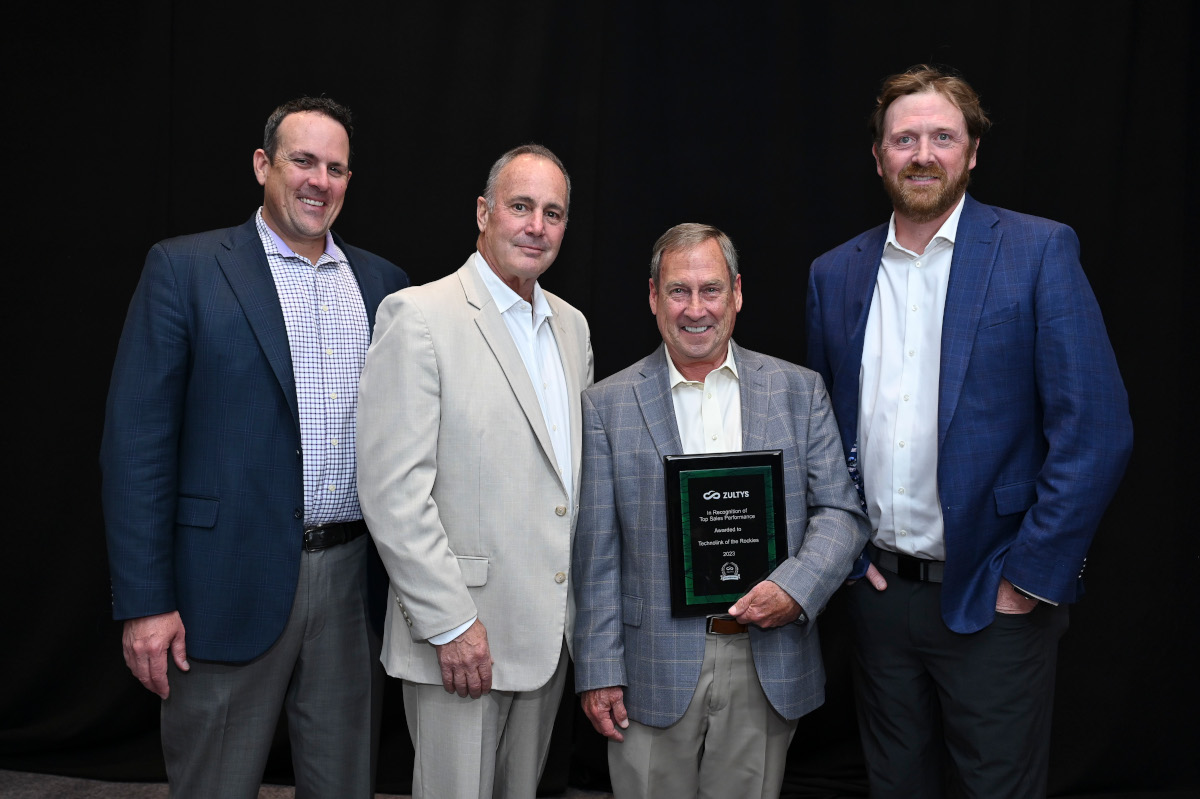
ENGLEWOOD, CO – Technolink of the Rockies, a leading managed technology services provider, received an award from Zultys for exceptional sales and. Learn.
Read Full Story »
June 4th, 2024
Leading MTSP Demystifies Cyber Risks and Gives SMBs Immediate Cybersecurity Roadmap to Security and Compliance ENGLEWOOD, CO – Technolink of the Rockies a.
Read Full Story »
Posted in: Cybersecurity
June 3rd, 2024
Because agility and efficiency are paramount to success, companies are constantly seeking ways to gain an edge over their competitors. Get expert insights.
Read Full Story »
Posted in: Business Phone Systems
May 20th, 2024
In the ever-evolving landscape of communication technology, Voice over Internet Protocol (VoIP) has emerged as a game-changer. Learn more.
Read Full Story »
Posted in: Business Phone Systems
May 8th, 2024
Leading MTSP Takes a Proactive Approach to Securing Valuable Information ENGLEWOOD, CO – Technolink of the Rockies, a leading managed technology services.
Read Full Story »
Posted in: Cloud Services, Data Backup & Recovery
May 4th, 2024
A contact center is a centralized operation that handles customer interactions across various communication channels, such as phone, email, chat, and social.
Read Full Story »
Posted in: Business Phone Systems
April 17th, 2024
From protecting physical assets to ensuring the safety of employees and customers, businesses face multiple security challenges that demand proactive measures.
Read Full Story »
Posted in: Video Surveillance
April 5th, 2024
Many businesses opt for managed IT services due to their cost efficiency. Learn more.
Read Full Story »
Posted in: Managed IT Services
April 4th, 2024
Leading MTSP to Collaborate with Industry Thought Leaders at Technology Assurance Group’s 23rd Annual Convention ENGLEWOOD, CO – Technolink of the. Learn.
Read Full Story »
March 26th, 2024
Leading MTSP Utilizes Sophisticated Change Management and Inventory Asset Software to Keep SMBs Secure, Efficient and Profitable ENGLEWOOD, CO –. Learn.
Read Full Story »
Posted in: Managed IT Services
March 18th, 2024
Data flows like lifeblood through organizations, and having a reliable and efficient network infrastructure is crucial. Learn more.
Read Full Story »
Posted in: Network Cabling
March 4th, 2024
Today's fast-paced business landscape demands effective communication for success. Learn more.
Read Full Story »
Posted in: Business Phone Systems
February 15th, 2024
The digital landscape is rapidly evolving, and businesses are more reliant on data than ever before. Learn more.
Read Full Story »
Posted in: Data Backup & Recovery
February 5th, 2024
Leading MTSP Educates Businesses on How to Harness the Power of AI ENGLEWOOD, CO – Technolink of the Rockies, a leading managed technology services. Learn.
Read Full Story »
Posted in: Managed IT Services
February 1st, 2024
In the ever-changing field of business technology, being ahead isn't just a strategic benefit – it's a requirement. Learn more.
Read Full Story »
Posted in: Managed IT Services
January 16th, 2024
A Contact Center plays a pivotal role in connecting organizations with customers. Learn more.
Read Full Story »
Posted in: Business Phone Systems
January 9th, 2024
Here are some solutions brought to you by Unified Communications (UC); You need to collaborate with a colleague who is in another country. Read our article.
Read Full Story »
Posted in: Business Phone Systems
January 9th, 2024
Leading Managed Technology Services Provider (MTSP) Delivers Innovative “Dual Claim Coverage” Model to Minimize Wait Time and Eliminate Hassle ENGLEWOOD, CO.
Read Full Story »
Posted in: Cybersecurity
December 18th, 2023
Business efficiency is the key to success in the competitive and dynamic market. Learn more.
Read Full Story »
Posted in: Managed IT Services
December 2nd, 2023
Employee mobility refers to the ability of employees to work from various locations outside the traditional office setting. Learn more.
Read Full Story »
Posted in: Business Phone Systems
December 1st, 2023
Leading MTSP Highlights Tax Benefit for Equipment Purchases Before December 31st ENGLEWOOD, CO – Technolink of the Rockies, a leading managed technology.
Read Full Story »
Posted in: Managed IT Services
November 16th, 2023
Let's cut the jargon and tech talk for a second. You wouldn't build a skyscraper on a foundation of sand, right? So, why do the same with your business?. Learn.
Read Full Story »
Posted in: Network Cabling
November 14th, 2023
Leading Managed Technology Services Provider Drives Productivity and Employee Satisfaction ENGLEWOOD, CO – Technolink of the Rockies, a leading managed.
Read Full Story »
Posted in: Business Phone Systems
November 1st, 2023
There are four major types of theft that plague businesses today; employee theft, identity theft, robbery, and burglary. Learn more.
Read Full Story »
Posted in: Video Surveillance
October 16th, 2023
A company's network is the lifeline of its success. Learn more.
Read Full Story »
Posted in: Cybersecurity
October 11th, 2023
Leading Managed Technology Services Provider Helps To Secure Organizations ENGLEWOOD, CO – Technolink of the Rockies a leading Managed Technology Services.
Read Full Story »
Posted in: Cybersecurity
October 3rd, 2023
In today's increasingly digital world, data is the lifeblood of businesses and organizations across the globe. Learn more.
Read Full Story »
Posted in: Data Backup & Recovery
September 19th, 2023
Technology plays a pivotal role in shaping success in today's rapidly evolving business landscape. Learn more.
Read Full Story »
Posted in: Managed IT Services
September 6th, 2023
Leading Managed Technology Services Provider Streamlines Security Options for SMBs ENGLEWOOD, CO – Technolink of the Rockies, a leading managed technology.
Read Full Story »
Posted in: Cybersecurity
September 1st, 2023
Tucked away behind the screens, a pulse beats steadily, syncing with the heartbeats of countless customers seeking resolutions, guidance, or simply a chat.
Read Full Story »
Posted in: Business Phone Systems
August 18th, 2023
Leading Managed Technology Services Provider (MTSP) Leverages Unified Communications & Integrated Contact Center to Strengthen Customer Relationships. Learn.
Read Full Story »
Posted in: Business Phone Systems
August 18th, 2023
In today's fast-paced digital landscape, effective communication is the lifeblood of any successful business. Learn more.
Read Full Story »
Posted in: Business Phone Systems
August 1st, 2023
In today's fast-paced and interconnected world, effective communication and seamless collaboration have become essential pillars for the success of businesses,.
Read Full Story »
Posted in: Business Phone Systems
July 17th, 2023
A robust and reliable cabling infrastructure cannot be overstated in today's rapidly evolving digital landscape, where seamless connectivity and efficient data.
Read Full Story »
Posted in: Network Cabling
July 10th, 2023
Leading Managed Technology Services Provider Leverages Big Data & Artificial Intelligence to Accelerate Customer Support with Predictive IT Models ENGLEWOOD,.
Read Full Story »
Posted in: Managed IT Services
July 1st, 2023
In today's fast-paced business landscape, harnessing the benefits of advanced communication technology is essential for staying ahead. Get expert insights.
Read Full Story »
Posted in: Business Phone Systems
June 27th, 2023
Leading Managed Technology Services Provider Enhances Productivity and Customer Service for Local Organizations ENGLEWOOD, CO - Technolink of the Rockies a.
Read Full Story »
Posted in: Business Phone Systems
June 16th, 2023
The advancement of technology brings new opportunities for businesses to protect their premises and assets. Learn more.
Read Full Story »
Posted in: Video Surveillance
June 2nd, 2023
VoIP (Voice over Internet Protocol) is a telephone technology that uses the Internet to make and receive phone calls. Learn more.
Read Full Story »
Posted in: Business Phone Systems
May 23rd, 2023
Cyber security threats are becoming increasingly common and diverse, with businesses of all sizes being susceptible to attack. Learn more.
Read Full Story »
Posted in: Cybersecurity
May 18th, 2023
Leading MTSP Provides Businesses with the Latest in Data Back Up Technology ENGLEWOOD, CO – Technolink of the Rockies, a leading Managed Technology..
Read Full Story »
Posted in: Data Backup & Recovery
May 10th, 2023
Data backup services are a vital part of any business's IT and data management strategy. Learn more.
Read Full Story »
Posted in: Data Backup & Recovery
April 28th, 2023
Unified communications for businesses provide a centralized platform to integrate voice, video, data, and messaging into one connected system. Find out how.
Read Full Story »
Posted in: Business Phone Systems
April 12th, 2023
Leading MTSP Combines Cybersecurity Experts with State-of-the-Art Technology ENGLEWOOD, CO – Technolink of the Rockies, a leading managed technology.
Read Full Story »
Posted in: Cybersecurity
April 7th, 2023
Video conferencing rooms are dedicated spaces for meetings conducted over the internet. Learn more.
Read Full Story »
Posted in: Business Phone Systems
March 21st, 2023
Zultys IP phones for small businesses have been designed to provide a cost-effective and feature-rich solution for VoIP phone systems. Get expert insights.
Read Full Story »
Posted in: Business Phone Systems
March 18th, 2023
Leading MTSP Invited to Conference with Thought Leaders on Exceeding Customer Expectations ENGLEWOOD, CO - Technolink of the Rockies, a leading managed. Learn.
Read Full Story »
March 13th, 2023
Like most business owners, you must have a lot on your plate. Learn more.
Read Full Story »
Posted in: Network Cabling
February 28th, 2023
Premise-based phone systems are traditional on-site PBX (private branch exchange) systems that require installation and maintenance at a physical location.
Read Full Story »
Posted in: Business Phone Systems
February 22nd, 2023
SMBs Turn Surveillance Cameras into Data Hubs to Enhance Customer Experience ENGLEWOOD, CO - Technolink of the Rockies a leading managed technology services.
Read Full Story »
Posted in: Video Surveillance
February 13th, 2023
Eagle Eye Networks provides an advanced, cloud-based security system for businesses of all sizes. Learn more.
Read Full Story »
Posted in: Video Surveillance
January 31st, 2023
Video conferencing offers plenty of advantages to businesses and can make a massive difference in the operations of a company. Learn more.
Read Full Story »
Posted in: Business Phone Systems
January 20th, 2023
Technolink of the Rockies Shares the Power of the Cloud with Customers ENGLEWOOD, CO - Small businesses have been drawn to VoIP technology because of the..
Read Full Story »
Posted in: Business Phone Systems
January 9th, 2023
IT management services are a type of service provided by IT professionals to help organizations manage and improve their technology infrastructure. Learn more.
Read Full Story »
Posted in: Managed IT Services
December 22nd, 2022
Network security is essential in today's digital age. Learn more.
Read Full Story »
Posted in: Cybersecurity
December 22nd, 2022
Leading MTSP Reminds Businesses to Act Soon Before December ENGLEWOOD, CO – Technolink of the Rockies, a leading managed technology services provider.
Read Full Story »
Posted in: Managed IT Services
December 13th, 2022
Business phones are an essential tool for any company or organization. Learn more.
Read Full Story »
Posted in: Business Phone Systems
November 28th, 2022
Most businesses today are aware of the importance of having a good quality, reliable and well-organized network infrastructure. Learn more.
Read Full Story »
Posted in: Network Cabling
November 22nd, 2022
Leading Managed Technology Services Provider Advances the Communication Capabilities of Local Businesses ENGLEWOOD, CO - Technolink of the Rockies, a leading.
Read Full Story »
Posted in: Business Phone Systems
November 7th, 2022
As a business owner, you are always looking for ways to protect your investment and improve security. Learn more.
Read Full Story »
Posted in: Video Surveillance
October 21st, 2022
Help desk solutions are important for any organization that relies on technology to function. Learn more.
Read Full Story »
Posted in: Managed IT Services
October 21st, 2022
Industry Leader in Managed Technology Services Responds to Consumer Demands with Powerful Solution ENGLEWOOD, CO - Technolink of the Rockies, a leading managed.
Read Full Story »
Posted in: Business Phone Systems
October 11th, 2022
Organizations spend most of their time building their proprietary information and data. Learn more.
Read Full Story »
Posted in: Data Backup & Recovery
September 23rd, 2022
Leading MTSP Shares How to Protect Businesses from Cybercrime ENGLEWOOD, CO - Technolink of the Rockies, a leading managed technology services provider (MTSP),.
Read Full Story »
Posted in: Cybersecurity
September 7th, 2022
Communication is one of the most important aspects of running a business. Learn more.
Read Full Story »
Posted in: Business Phone Systems
August 16th, 2022
Leading MTSP Improves Communication Among Region's Businesses ENGLEWOOD, CO - Technolink of the Rockies a leading managed technology services provider (MTSP),.
Read Full Story »
Posted in: Business Phone Systems, Cloud Services
August 1st, 2022
While smooth functioning and efficient working keep a company going, do you know which factor ensures that the two run smoothly?. Learn more.
Read Full Story »
Posted in: Managed IT Services
July 19th, 2022
Over the years, Internet has dramatically turned our existence upside down. Learn more.
Read Full Story »
Posted in: Cybersecurity
July 7th, 2022
Jeff O'Neill of Technolink of the Rockies Illustrates Presence Management & How It's Enhancing Communication Between Employees & Customers ENGLEWOOD,.
Read Full Story »
Posted in: Business Phone Systems
June 7th, 2022
The word structured cabling is heard a lot when you first enter the realms of the cable world. Learn more.
Read Full Story »
Posted in: Network Cabling
June 3rd, 2022
Leader in Managed Technology Services Increases Customer Profitability by Cost Justifying New Cloud Voice Solutions ENGLEWOOD, CO – Technolink of the.
Read Full Story »
Posted in: Business Phone Systems
May 13th, 2022
Leading MTSP Shares How Businesses Can Gain a Competitive Advantage with AI ENGLEWOOD, CO – Technolink of the Rockies a leading managed technology. Learn.
Read Full Story »
Posted in: Managed IT Services
April 18th, 2022
Technology and the internet have newer revolutionary products and innovations with each passing day. Learn more.
Read Full Story »
Posted in: Managed IT Services
April 4th, 2022
Leading MTSP to Offer Their Technology Knowledge to Peers Around the U.S. Learn more.
Read Full Story »
March 17th, 2022
Leading MTSP Shares Most Common Cause of Cyberattacks and How to Secure Any Organization ENGLEWOOD, CO – Technolink of the Rockies a leading managed.
Read Full Story »
Posted in: Cybersecurity
February 17th, 2022
Leading Managed Technology Services Provider Shares Significant Findings About IT Growth ENGLEWOOD, CO Technolink of the Rockies, a leading managed.
Read Full Story »
Posted in: Managed IT Services
February 16th, 2022
As a small business owner in pursuit of growth, one area where you could use help and save your resources while strengthening your customer base is IT. Learn.
Read Full Story »
Posted in: Managed IT Services
February 4th, 2022
Even when you have proper staffing and security in place, are you sure your business is still as well-protected as it should be?. Learn more.
Read Full Story »
Posted in: Video Surveillance
January 23rd, 2022
No matter what the industry, there is always a risk of unforeseen events that can halt the entire operations of a business. Learn more.
Read Full Story »
Posted in: Data Backup & Recovery
January 22nd, 2022
Leading MTSP Increases Their Customers' Productivity with New Microsoft Applications ENGLEWOOD, CO – December 16, 2021 - Technolink of the Rockies a.
Read Full Story »
Posted in: Managed IT Services
December 14th, 2021
Leading MTSP Reminds Business Owners to Reinvest Before December 31st ENGLEWOOD, CO – Technolink of the Rockies, a leading managed technology services.
Read Full Story »
Posted in: Managed IT Services
November 3rd, 2021
Leading Managed Technology Services Provider to Share Business Expertise and Technology Foresight with Organizations Throughout the U.S. Get expert insights.
Read Full Story »
October 6th, 2021
Leading Managed Technology Services Provider Invests in Advanced Cybersecurity Tools ENGLEWOOD, CO – Technolink of the Rockies, a leading managed. Learn.
Read Full Story »
Posted in: Cybersecurity
September 1st, 2021
Leading Managed Technology Services Provider Keeps SMBs Safe, Once Again ENGLEWOOD, CO – Technolink of the Rockies, a leading managed technology services.
Read Full Story »
Posted in: Cybersecurity
August 4th, 2021
Leading Managed Technology Services Provider Shares How SMBs Can Protect Themselves from Cyberattacks and Ransomware Threats ENGLEWOOD, CO - Technolink of the.
Read Full Story »
Posted in: Cybersecurity
June 29th, 2021
Leading Managed Technology Services Provider Maximizes Employee Productivity As Businesses Transition to the New Normal ENGLEWOOD, CO - Technolink of the..
Read Full Story »
Posted in: Cloud Services
May 29th, 2021
Technolink of the Rockies Shares Startling Findings and Educates Healthcare Providers on Solutions ENGLEWOOD, CO - Technolink of the Rockies, a leading managed.
Read Full Story »
Posted in: Cybersecurity
May 3rd, 2021
ENGLEWOOD, CO – Technolink of the Rockies a leading managed technology services provider (MTSP), proactively helps businesses address the increased..
Read Full Story »
Posted in: Cybersecurity
April 7th, 2021
Leading Managed Technology Services Provider Reports on Increases in AI Prevalence ENGLEWOOD, CO – Technolink of the Rockies a leading managed technology.
Read Full Story »
Posted in: Managed IT Services
March 16th, 2021
Leading Managed Technology Services Provider Presents Workplace Interaction Strategies for Small to Mid-Sized Businesses ENGLEWOOD, CO - Technolink of the.
Read Full Story »
Posted in: Managed IT Services
March 10th, 2021
Businesses everywhere continue to re-open as things slowly begin to return to normal. However, that does not mean the danger has gone away completely. Learn.
Read Full Story »
Posted in: Video Surveillance
February 21st, 2021
Leading Managed Technology Services Utilizes Clearfly to Keep Key Facilities and Businesses Connected During COVID-19 ENGLEWOOD, CO - Technolink of the. Learn.
Read Full Story »
Posted in: Business Phone Systems
January 8th, 2021
ENGLEWOOD, CO – Technolink of the Rockies, a leading managed technology services provider (MTSP), announced today that it is educating companies on the.
Read Full Story »
Posted in: Cybersecurity
November 22nd, 2020
ENGLEWOOD, CO – Technolink of the Rockies, a leading managed technology services provider (MTSP), announced today that the COVID-19 pandemic has. Learn.
Read Full Story »
Posted in: Cloud Services
November 17th, 2020
The Eagle Eye Cloud Security Camera VMS provides 100% cloud management, mobile and web viewing, and if you want – cloud recording. Get expert insights.
Read Full Story »
Posted in: Video Surveillance
October 28th, 2020
ENGLEWOOD, CO - Technolink of the Rockies, a leading managed technology services provider (MTSP), announced today that the company is helping small to midsized.
Read Full Story »
Posted in: Business Phone Systems
September 28th, 2020
ENGLEWOOD, CO - Technolink of the Rockies, a leading managed technology services provider (MTSP), announced today that the company is building technology plans.
Read Full Story »
Posted in: Managed IT Services
August 19th, 2020
The COVID-19 pandemic is forcing businesses and people to change their behaviors and practices. Learn more.
Read Full Story »
Posted in: Video Surveillance
July 24th, 2020
ENGLEWOOD, CO - Technolink of the Rockies, a leading managed technology services provider (MTSP), announced today that the company is supplying small to. Learn.
Read Full Story »
Posted in: Video Surveillance
July 2nd, 2020
How is your company ensuring quality communication and collaboration while your employees are working remotely?. Learn more.
Read Full Story »
Posted in: Business Phone Systems
June 3rd, 2020
ENGLEWOOD, CO - Technolink of the Rockies, a leading managed technology services provider (MTSP), announced today that the company is providing home office.
Read Full Story »
Posted in: Cybersecurity
May 19th, 2020
As the pandemic continues to impact American lives, businesses are forced to adapt to the changing landscape. Learn more.
Read Full Story »
Posted in: Cloud Services
May 8th, 2020
ENGLEWOOD, CO – Technolink of the Rockies, a leading managed technology services provider (MTSP) is empowering business owners to accelerate innovation within.
Read Full Story »
Posted in: Cloud Services
April 30th, 2020
As businesses grow, the need for more efficient communication rises. Learn more.
Read Full Story »
Posted in: Business Phone Systems
April 9th, 2020
ENGLEWOOD, CO - Technolink of the Rockies, a leader in managed technology services, announced today that the company is proactively helping small to mid-sized.
Read Full Story »
Posted in: Cloud Services
March 10th, 2020
ENGLEWOOD, CO – Technolink of the Rockies, a leading managed technology services provider (MTSP), is leveraging Microsoft Azure to help eliminate outdated IT.
Read Full Story »
Posted in: Cloud Services
February 20th, 2020
The cloud is an emerging technology, and many companies are taking advantage of the benefits this technology provides. Learn more.
Read Full Story »
Posted in: Cloud Services
January 31st, 2020
ENGLEWOOD, CO – January 2020 - Technolink of the Rockies, a leading managed technology services provider (MTSP), announced today that the company is leveraging.
Read Full Story »
Posted in: Cloud Services
January 13th, 2020
At Technolink of the Rockies, we understand how critical your IT is to the success of your company. Learn more.
Read Full Story »
Posted in: Managed IT Services
January 3rd, 2020
ENGLEWOOD, CO – December 2019 - Technolink of the Rockies, a leading managed technology services provider (MTSP), shared the top 3 business collaboration tools.
Read Full Story »
Posted in: Cloud Services
December 10th, 2019
ENGLEWOOD, CO – November 2019 - Technolink of the Rockies a leading managed technology services provider (MTSP), announced today that the company. Learn.
Read Full Story »
Posted in: Cybersecurity
December 3rd, 2019
When most businesses typically think of surveillance systems, they naturally tend to think of how this will prevent/deter crime and vandalism. Find out how.
Read Full Story »
Posted in: Video Surveillance
November 2nd, 2019
ENGLEWOOD, CO – October 2019 - Technolink of the Rockies, a leading managed technology services provider (MTSP), announced today that the company has.
Read Full Story »
Posted in: Cybersecurity
November 1st, 2019
As a business owner, you have a lot to worry about. Learn more.
Read Full Story »
Posted in: Video Surveillance
October 1st, 2019
ENGLEWOOD, CO – Did you know that we are advising SMBs (small to mid-sized businesses)on how to fully leverage the benefits of a remote workforce,. Learn.
Read Full Story »
Posted in: Managed IT Services
September 29th, 2019
Modern businesses understand the importance of having a strong company culture. Learn more.
Read Full Story »
September 25th, 2019
Technolink of the Rockies is proud to announce that we have been awarded the Best Producer Award since 2014 by one of the nation's most recognized full-service.
Read Full Story »
August 28th, 2019
ENGLEWOOD, CO – We are proud to announce that we are alerting small to midsized businesses (SMBs) about the prevalence of robocall scams and how any.
Read Full Story »
Posted in: Cybersecurity
August 22nd, 2019
Improve customer interaction with the ability to have real-time communication via your web browser; Technolink of the Rockies is offering an enhanced. Learn.
Read Full Story »
Posted in: Business Phone Systems
July 31st, 2019
ENGLEWOOD, CO – Announcing that WebRTC (RealTime Communications) is set to change the way companies communicate. Learn more.
Read Full Story »
Posted in: Business Phone Systems
July 13th, 2019
Nothing wastes your company's precious time quite like technical problems. Learn more.
Read Full Story »
Posted in: Managed IT Services
June 13th, 2019
Unified Communications (UC) is a phone system that can do more than perform basic phone calls and potentially make your business more efficient and productive.
Read Full Story »
Posted in: Business Phone Systems
June 10th, 2019
ENGLEWOOD, CO – May 2019 – Technolink of the Rockies a leading managed technology services provider (MTSP), announced today that the company now.
Read Full Story »
Posted in: Network Cabling
May 31st, 2019
Depending on the type of business you have, choosing a hosted phone system may be challenging because different types of hosted phones are tailored for certain.
Read Full Story »
Posted in: Business Phone Systems
May 14th, 2019
ENGLEWOOD, CO – April 2019 – We are excited to announce that Cheryl Kassner, President, has been recognized at a national convention for being one.
Read Full Story »
May 14th, 2019
Peripheral hardware is the equipment needed in conjunction with your computers, phone systems, laptops, etc. Learn more.
Read Full Story »
Posted in: Business Phone Systems
April 24th, 2019
Video conferencing and collaboration is something that all organizations, whether big or small utilize in order to speak with customers, clients, vendor,..
Read Full Story »
Posted in: Business Phone Systems
April 13th, 2019
ENGLEWOOD, CO – March 2019 – Technolink of the Rockies, a leading managed technology services provider, announced today that the company has. Learn.
Read Full Story »
Posted in: Business Phone Systems
April 9th, 2019
People often think of Video Surveillance simply as a way to protect their business from crime. Learn more.
Read Full Story »
Posted in: Video Surveillance
March 15th, 2019
ENGLEWOOD, CO – February 2019 – Technolink of The Rockies, a leading managed technology services provider (MTSP), announced today that they have.
Read Full Story »
February 4th, 2019
These days many businesses are seeking a more accessible and affordable solution to their phone systems. Learn more.
Read Full Story »
Posted in: Business Phone Systems
February 4th, 2019
ENGLEWOOD, CO – Technolink of the Rockies a leading managed technology services provider (MTSP), is helping small to mid-sized businesses (SMBs) secure.
Read Full Story »
Posted in: Cybersecurity
January 13th, 2019
When it comes to the holidays one of the biggest time-honored traditions of the season is giving. Learn more.
Read Full Story »
December 21st, 2018
ENGLEWOOD, CO – Technolink of the Rockies a leading managed technology services provider (MTSP), is helping small to mid-sized businesses (SMBs) protect.
Read Full Story »
Posted in: Cybersecurity
December 7th, 2018
Disaster always strikes when you least expect it. Most of the time there is no warning before it happens, and its effects can be devastating. Find out how.
Read Full Story »
Posted in: Data Backup & Recovery
November 19th, 2018
ENGLEWOOD, CO – InSpeed Networks™ the leading provider of self-driving SDWAN solutions and Technolink of the Rockies, a leading technology firm.
Read Full Story »
Posted in: Network Cabling
November 13th, 2018
Every system in your office has one thing in common, they all rely on cabling to work. Learn more.
Read Full Story »
Posted in: Network Cabling
October 12th, 2018
ENGLEWOOD, CO – Technolink of the Rockies, a leading managed technology services provider (MTSP), is helping small to mid-sized businesses (SMBs) thwart.
Read Full Story »
Posted in: Cybersecurity
October 9th, 2018
Cybersecurity has become a growing issue for businesses. It doesn't matter what size your business is; you need to protect your data. Learn more.
Read Full Story »
Posted in: Cybersecurity
September 21st, 2018
Hosted or on-premise phone systems – this can be a tough call for some businesses who are unsure of the differences. Learn more.
Read Full Story »
Posted in: Business Phone Systems
September 17th, 2018
ENGLEWOOD, CO – Technolink of the Rockies a leading managed technology services provider (MTSP), is helping small to mid-sized businesses (SMBs). Learn.
Read Full Story »
Posted in: Cybersecurity
September 5th, 2018
We may not have to run between fax machines and the desk phone anymore, but too many office communication solutions still cost time and cause frustration..
Read Full Story »
Posted in: Business Phone Systems
August 3rd, 2018
ENGLEWOOD, CO – Technolink of the Rockies, a leading managed technology services provider, is helping small to mid-sized businesses (SMBs) to prevent.
Read Full Story »
Posted in: Cybersecurity
August 1st, 2018
Many companies brag about their customer satisfaction, but how many of them can say they have a customer satisfaction rating of 100%?. Get expert insights.
Read Full Story »
July 3rd, 2018
Technolink of the Rockies a leading managed technology services provider, announced today that the company will now be serving as a Virtual CIO (Chief. Learn.
Read Full Story »
Posted in: Managed IT Services
June 26th, 2018
Have you ever had those moments of worry? Those moments of anxiety? Those can be strong feelings, especially if they are about the security of your business.
Read Full Story »
Posted in: Video Surveillance
June 13th, 2018
Our dear President, Cheryl Kassner, was recently featured in Continuum of Colorado's newsletter in their article about the Gary Plumery Foundation . Learn more.
Read Full Story »
June 5th, 2018
As a business operating in 2018, it’s probably a lot more common today than it was 20 years ago to have employees working remotely. Learn more.
Read Full Story »
Posted in: Business Phone Systems
June 1st, 2018
Technolink of the Rockies a leading managed technology services provider, announced today that the company has launched a cybersecurity security-as-a-service.
Read Full Story »
Posted in: Cybersecurity
April 11th, 2018
Knowing a network threat can come at anytime from anywhere, you want to ensure that you are properly protected. That's where WatchGuard comes in. Learn more.
Read Full Story »
Posted in: Cybersecurity
March 20th, 2018
Technolink of the Rockies, a leading managed technology services provider, announced today that the company has been selected to attend Technology Assurance.
Read Full Story »
March 16th, 2018
Virtualization allows businesses to reduce their hardware footprint, from as many as half a dozen servers to just one or two. Learn more.
Read Full Story »
Posted in: Cloud Services
February 25th, 2018
Technolink of the Rockies a leader in managed technology services, announced today that the company sharing its predictions for the future of the technology.
Read Full Story »
Posted in: Managed IT Services
January 22nd, 2018
Management often does not realize just how crucial good cable infrastructure is. Learn more.
Read Full Story »
Posted in: Network Cabling
December 20th, 2017
We are proud to announce an education plan to advise business owners on the potential risks facing any organization that accepts, stores and utilizes customer.
Read Full Story »
Posted in: Cybersecurity
December 12th, 2017
Nobody likes to spend a lot of time focused on the negatives, but it is important to be prepared for situations you have no control over. Read our article.
Read Full Story »
Posted in: Data Backup & Recovery
October 25th, 2017
Technolink of the Rockies a leading provider of unified communications has announced that the company is certified to provide cybersecurity solutions to SMBs.
Read Full Story »
Posted in: Cybersecurity
September 23rd, 2017
Technolink of the Rockies, a leader in unified communications, announced today that the company will be launching an awareness campaign to educate small to.
Read Full Story »
Posted in: Network Cabling
August 31st, 2017
In the past decades we've seen IT change from large, slow boxes to small screens in our hands. Learn more.
Read Full Story »
Posted in: Video Surveillance
August 20th, 2017
We are excited to announce our offering of SD-WAN (Software-Defined Networking in a Wide Area Network). Learn more.
Read Full Story »
Posted in: Network Cabling
July 27th, 2017
In our June 2017 press release, Jeff O'Neill, VP of Sales of Technolink of the Rockies, provided useful advice to SMBs and shared how we are helping local.
Read Full Story »
Posted in: Cybersecurity
June 26th, 2017
As new technologies have made it easier than ever before to work productively from any location, at any time, the number of remote workers has dramatically.
Read Full Story »
Posted in: Cloud Services
May 9th, 2017
Just a couple decades ago, it felt like the worst unexpected thing that could happen to your business was a fire or flood. Learn more.
Read Full Story »
Posted in: Data Backup & Recovery
April 28th, 2017
"Have you tried turning it off and on again?" Is something we've all heard from our IT support staff at some point or another. Learn more.
Read Full Story »
Posted in: Business Phone Systems
April 16th, 2017
We know that business owners have a lot on their plates, trying to manage the business, its customers, employees, and vendors. Learn more.
Read Full Story »
Posted in: Managed IT Services
March 8th, 2017
After 30+ years of working in the industry, Technolink has learned to adjust to the times and keep up with changing policies. Learn more.
Read Full Story »
Posted in: Cybersecurity
February 9th, 2017
As part of our improvements for 2017, we here at Technolink are working closely with ShoreTel to help educate our customers on the world class and easy to use.
Read Full Story »
Posted in: Business Phone Systems, Cloud Services
January 10th, 2017
Have you made New Year's resolutions for your business? Are you putting together strategies for improving your business?. Learn more.
Read Full Story »
Posted in: Managed IT Services
December 5th, 2016
With so many different applications, login credentials, and settings to maintain for IT tools, its no wonder many of us wish for a simpler work setup. Learn.
Read Full Story »
Posted in: Business Phone Systems
November 4th, 2016
It's not every day that we think about the infrastructure that runs through our walls, between our computers and phones, all ultimately to servers and service.
Read Full Story »
Posted in: Network Cabling
October 11th, 2016
Do you know that feeling, deep in the night, when you suddenly worry that you forgot something? Or when you worry about your safety and that of your business?
Read Full Story »
Posted in: Video Surveillance
September 20th, 2016
Prepare your business for the developing technologies of the future. Run multiple operating systems and applications on the same server at the same time. Learn.
Read Full Story »
Posted in: Cloud Services
September 3rd, 2016
Budgeting your IT department expenses can be easy with our outsourced IT services. Learn more.
Read Full Story »
Posted in: Managed IT Services
August 29th, 2016
If you make money using the phone, then your phone system needs to be a business enabler, not inhibiter. Learn more.
Read Full Story »
Posted in: Business Phone Systems
August 1st, 2016
Business competition in today’s economy is fierce. Learn more.
Read Full Story »
Posted in: Business Phone Systems
July 12th, 2016
You’ve realized that your current phone system is no longer working for your growing business. Learn more.
Read Full Story »
Posted in: Business Phone Systems
July 3rd, 2016
At Technolink of the Rockies, we acknowledge the power of technology. Learn more.
Read Full Story »
April 4th, 2016
The cloud is a growing solution that has begun to dominate the marketplace. Learn more.
Read Full Story »
Posted in: Cloud Services
March 2nd, 2016
At Technolink of the Rockies, our unified communications solutions work by taking the many ways we communicate in the business environment and smoothly. Learn.
Read Full Story »
Posted in: Business Phone Systems
February 9th, 2016
At Technolink of the Rockies, we are proactive when it comes to making sure that your communications network is stable and reliable, removing many of the..
Read Full Story »
Posted in: Data Backup & Recovery
January 16th, 2016
The Current Technology Assurance Program (CTAP) allows Technolink of the Rockies to offer you the ability to fix your telecommunications costs and stay current.
Read Full Story »
Posted in: Managed IT Services
October 7th, 2015
Technolink’s professional team installed a ShoreTel system for a local medical clinic!. Learn more.
Read Full Story »
Posted in: Business Phone Systems
May 16th, 2014
Last month, ShoreTel recognized Technolink of the Rockies for outstanding achievement in customer satisfaction and loyalty for the period of October 1, 2013,.
Read Full Story »
March 14th, 2014
We know that staying up to date with the current technology can sometimes be cost-prohibitive. Learn more.
Read Full Story »
Posted in: Managed IT Services
February 17th, 2014
Impersonators have been attempting to defraud organizations and Teleco of the Rockies is determined to make sure its customers are aware of this threat. Learn.
Read Full Story »
Posted in: Cybersecurity
December 14th, 2013
Technolink of the Rockies is honored to participate in the 19th annual Giving Tree Event through Developmental Pathways! Developmental pathways, Inc. Learn.
Read Full Story »
November 8th, 2013
Are your phone calls protected?. Learn more.
Read Full Story »
Posted in: Business Phone Systems
October 10th, 2013
Is your business in need of a business telephone system?. Learn more.
Read Full Story »
Posted in: Business Phone Systems
October 8th, 2013
We are hiring! We are looking to fill positions for technicians and people with IT experience. Learn more.
Read Full Story »
September 18th, 2013
Are you overwhelmed with all the different types of communication?. Learn more.
Read Full Story »
Posted in: Business Phone Systems
June 17th, 2013
Have you seen our solutions portfolio? We have every type of technology service your company needs!. Learn more.
Read Full Story »
May 15th, 2013
Why choose Technolink of the Rockies?. Learn more.
Read Full Story »
February 19th, 2013
We recently took part in the Developmental Pathways giving tree program; which is a wonderful program that helps provide gifts for families with developmental.
Read Full Story »
December 28th, 2012
Technolink of the Rockies is the only communications provider in the region to offer the innovative Current Technology Assurance Program (C-TAP). Learn more.
Read Full Story »
Posted in: Managed IT Services
July 17th, 2012
On Tuesday, June 5th we attended the annual ALA Business Partner Expo that was held at the Hyatt Convention Center. Learn more.
Read Full Story »
August 2nd, 2011
We are providing our customers with Virtual Hosted Office systems designed to help small to mid-sized businesses take advantage of the latest in cloud-based.
Read Full Story »
Posted in: Cloud Services
August 2nd, 2011
Do you know what this is?. Learn more.
Read Full Story »