
Video Surveillance: Beyond Security Into Operational Insights
May 1st, 2026 by admin
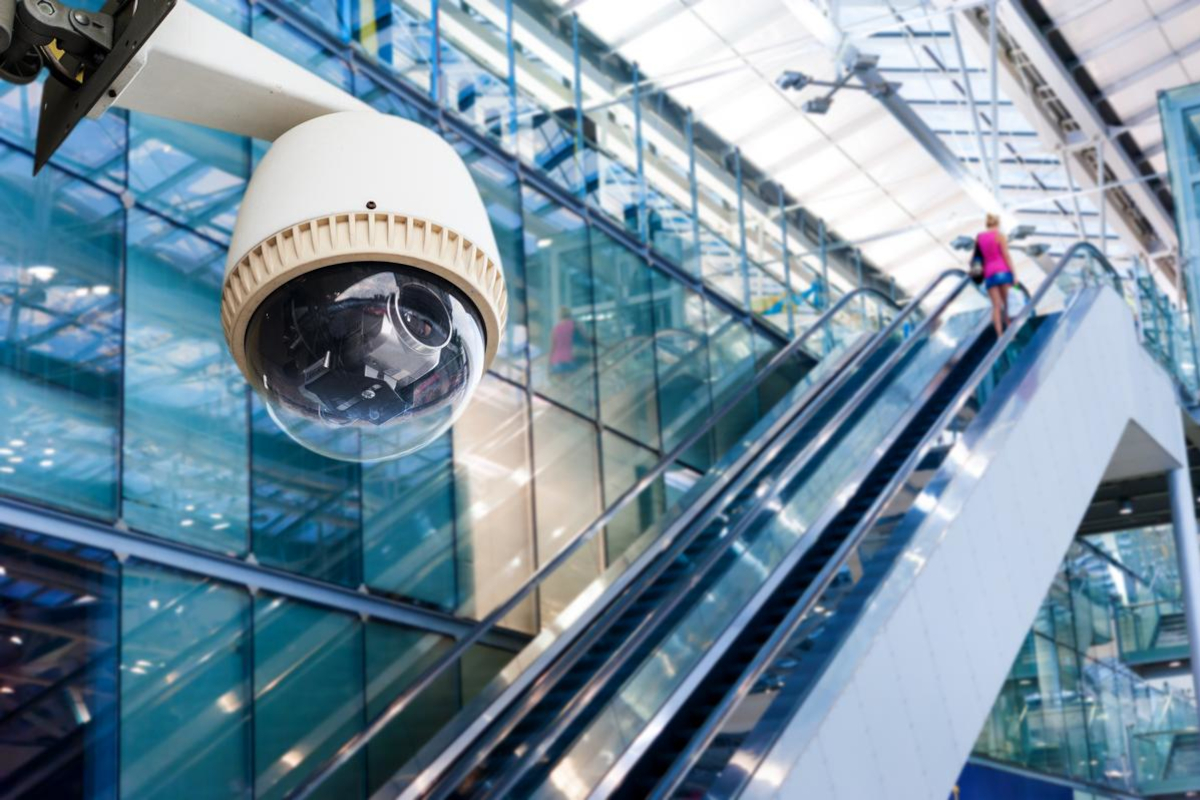
When most business owners think about video surveillance, they immediately picture security cameras monitoring entrances, exits, and parking lots to prevent theft or vandalism. While security remains a critical function, modern video surveillance technology has evolved far beyond its traditional role as a watchful eye. Organizations are now leveraging these systems as powerful tools for gathering operational intelligence, improving efficiency, and making data-driven business decisions.
The transformation of video surveillance from a purely reactive security measure to a proactive business intelligence tool represents a significant shift in how companies can maximize their technology investments. Let's explore how businesses are using surveillance systems to gain valuable operational insights that drive growth and improvement.
The Evolution of Video Surveillance Technology
Video surveillance systems have undergone remarkable technological advancement over the past decade. Gone are the days of grainy, low-resolution footage stored on bulky VCR tapes. Today's systems feature high-definition cameras with advanced analytics capabilities, cloud storage options, and artificial intelligence that can recognize patterns, detect anomalies, and provide actionable insights.
Modern surveillance infrastructure includes:
- High-definition and 4K cameras that capture crystal-clear footage in various lighting conditions
- Intelligent video analytics powered by machine learning algorithms
- Cloud-based storage and management systems that enable remote access and scalability
- Integration capabilities with other business systems and platforms
- Real-time alerts and notifications based on customizable parameters
These technological improvements have opened new possibilities for businesses to extract value from their surveillance systems beyond traditional security applications.
Operational Insights: Real-World Applications
Retail Traffic Analysis and Customer Behavior
Retail businesses are using video analytics to understand customer behavior patterns in ways that were previously impossible or required expensive dedicated systems. Heat mapping technology can identify which areas of a store receive the most foot traffic, helping retailers optimize product placement and store layouts. By analyzing how customers move through spaces, businesses can:
- Identify bottlenecks and congestion points that frustrate shoppers
- Determine optimal locations for high-margin products
- Measure the effectiveness of promotional displays
- Calculate dwell time in specific areas to gauge interest levels
- Optimize staffing levels based on traffic patterns throughout the day
One retail client discovered through their surveillance analytics that customers consistently bypassed a particular aisle due to poor lighting and narrow spacing. After making simple adjustments based on this insight, they saw a 23% increase in sales for products in that section.
Manufacturing and Warehouse Efficiency
In manufacturing and logistics environments, video surveillance systems equipped with analytics capabilities can monitor production workflows, identify inefficiencies, and improve safety compliance. These systems can track:
- Cycle times for specific processes or workstations
- Material flow and potential bottlenecks in production lines
- Adherence to safety protocols and proper equipment usage
- Loading dock activities and delivery vehicle turnaround times
- Inventory movement and storage patterns
By reviewing footage and analytics data, operations managers can identify opportunities for process improvements without disrupting workflows or requiring expensive time-and-motion studies. The continuous monitoring capability means that anomalies and inefficiencies are detected quickly, allowing for rapid response and correction.
Healthcare Facility Management
Healthcare organizations face unique operational challenges, from managing patient flow to ensuring compliance with strict protocols. Video surveillance systems provide valuable insights into:
- Patient wait times in reception areas and examination rooms
- Emergency department flow and resource allocation
- Compliance with hand hygiene protocols at critical points
- Maintenance needs and facility condition monitoring
- Visitor management and after-hours facility usage
These insights enable healthcare administrators to make evidence-based decisions about staffing, facility design, and operational procedures that directly impact patient care quality and satisfaction.
Restaurant and Hospitality Operations
Restaurants and hospitality venues use surveillance analytics to enhance customer experiences and streamline operations. Applications include:
- Monitoring queue lengths and wait times to optimize staffing
- Analyzing peak hours and customer volume patterns for better preparation
- Observing service delivery to identify training opportunities
- Ensuring food safety compliance in preparation areas
- Tracking table turnover rates to maximize seating efficiency
Key Features That Enable Operational Intelligence
Advanced Video Analytics
Modern video analytics go far beyond simple motion detection. Today's systems can perform sophisticated analysis including:
- People counting with accuracy rates exceeding 95% even in crowded environments
- Object detection and classification to identify specific items or equipment
- Facial recognition for access control and VIP customer identification
- License plate recognition for parking management and vehicle tracking
- Dwell time measurement to understand engagement and interest levels
- Queue management with automatic alerts when lines exceed thresholds
Integration with Business Systems
The true power of surveillance-driven operational insights emerges when video systems integrate with other business platforms. When connected to point-of-sale systems, inventory management software, or customer relationship management tools, surveillance data provides context and validation for other business metrics. This integration enables:
- Correlation between foot traffic and sales conversion rates
- Verification of transaction accuracy and loss prevention
- Documentation of safety incidents alongside other records
- Comprehensive dashboards that combine operational metrics from multiple sources
Cloud-Based Access and Storage
Cloud-enabled surveillance systems offer distinct advantages for operational analysis. Cloud solutions provide:
- Remote access to live and recorded footage from any location
- Scalable storage that grows with business needs
- Automatic software updates and new feature deployment
- Advanced search capabilities across multiple locations and time periods
- Reduced on-site infrastructure requirements and maintenance costs
Privacy Considerations and Best Practices
As businesses expand their use of surveillance technology for operational insights, privacy considerations become increasingly important. Organizations must balance their legitimate business interests with employee and customer privacy rights. Best practices include:
- Clearly communicating surveillance policies to employees and visitors
- Limiting camera placement in areas where privacy expectations are reasonable
- Implementing role-based access controls for footage and analytics data
- Establishing retention policies that align with legal requirements and business needs
- Using anonymization features when individual identification isn't necessary
- Conducting regular privacy impact assessments as capabilities expand
Transparent communication about how surveillance systems are used builds trust with employees and customers while protecting the organization from potential legal challenges.
Implementing Surveillance for Operational Intelligence
Assessing Your Needs
Before implementing or expanding a surveillance system for operational insights, businesses should conduct a thorough needs assessment. Consider:
- Which operational metrics would provide the most value to your business
- Current pain points where visibility could drive improvements
- Existing systems that could integrate with surveillance platforms
- Coverage areas that would yield the most useful data
- Budget considerations for equipment, storage, and analytics software
Choosing the Right System
Not all surveillance systems offer the same analytics capabilities. When evaluating options, prioritize:
- Scalability to accommodate future expansion and additional features
- Integration capabilities with your existing technology infrastructure
- Analytics features that align with your specific operational goals
- User-friendly interfaces that enable team members to extract insights easily
- Reliable vendor support and ongoing system maintenance
Training and Adoption
Technology investments deliver value only when people know how to use them effectively. Successful implementation requires:
- Comprehensive training for managers who will use analytics data
- Clear documentation of system capabilities and access procedures
- Defined processes for reviewing data and acting on insights
- Regular reviews to assess whether the system is meeting objectives
- Ongoing education as new features and capabilities become available
Measuring ROI from Surveillance Analytics
Businesses investing in advanced surveillance capabilities for operational insights should establish clear metrics to measure return on investment. Potential ROI indicators include:
- Labor optimization: Reduced overtime costs through better staffing allocation
- Increased revenue: Higher conversion rates from improved customer experience
- Operational efficiency: Reduced cycle times and increased throughput
- Loss prevention: Decreased inventory shrinkage and theft
- Compliance improvements: Reduced violations and associated penalties
- Risk mitigation: Fewer liability claims through better documentation
Tracking these metrics before and after implementation demonstrates the business value of surveillance analytics beyond traditional security applications.
The Future of Surveillance Intelligence
Video surveillance technology continues to evolve rapidly, with emerging capabilities that will further expand operational applications. Trends to watch include:
- Enhanced artificial intelligence that can predict operational issues before they occur
- Augmented reality overlays that combine surveillance feeds with real-time data
- Edge computing that enables faster processing and reduced bandwidth requirements
- Improved low-light and adverse weather performance for outdoor applications
- Greater standardization that simplifies integration across different platforms
Organizations that embrace these capabilities early will gain competitive advantages through superior operational visibility and agility.
Partner with Experts for Maximum Value
Implementing a surveillance system that delivers both security and operational intelligence requires careful planning, proper equipment selection, and expert configuration. Working with experienced technology partners ensures that your investment delivers maximum value across multiple business functions.
At Technolink of the Rockies, we've helped businesses throughout the Denver area design and deploy video surveillance systems that serve dual purposes: protecting assets while providing actionable operational insights. Our team understands how to configure analytics, integrate with existing systems, and train your staff to leverage surveillance technology as a strategic business tool.
Whether you're installing a new system or enhancing existing infrastructure with advanced analytics capabilities, we provide the expertise and ongoing support that ensure your technology investment drives measurable business improvements.
Ready to discover how modern video surveillance can transform your operations? Contact Technolink of the Rockies to schedule a consultation and learn how surveillance analytics can provide the visibility and insights your business needs to operate more efficiently and effectively.
Posted in: Solutions


