
Wired for Success: How Data Cabling Powers Modern Business
December 17th, 2025 by admin
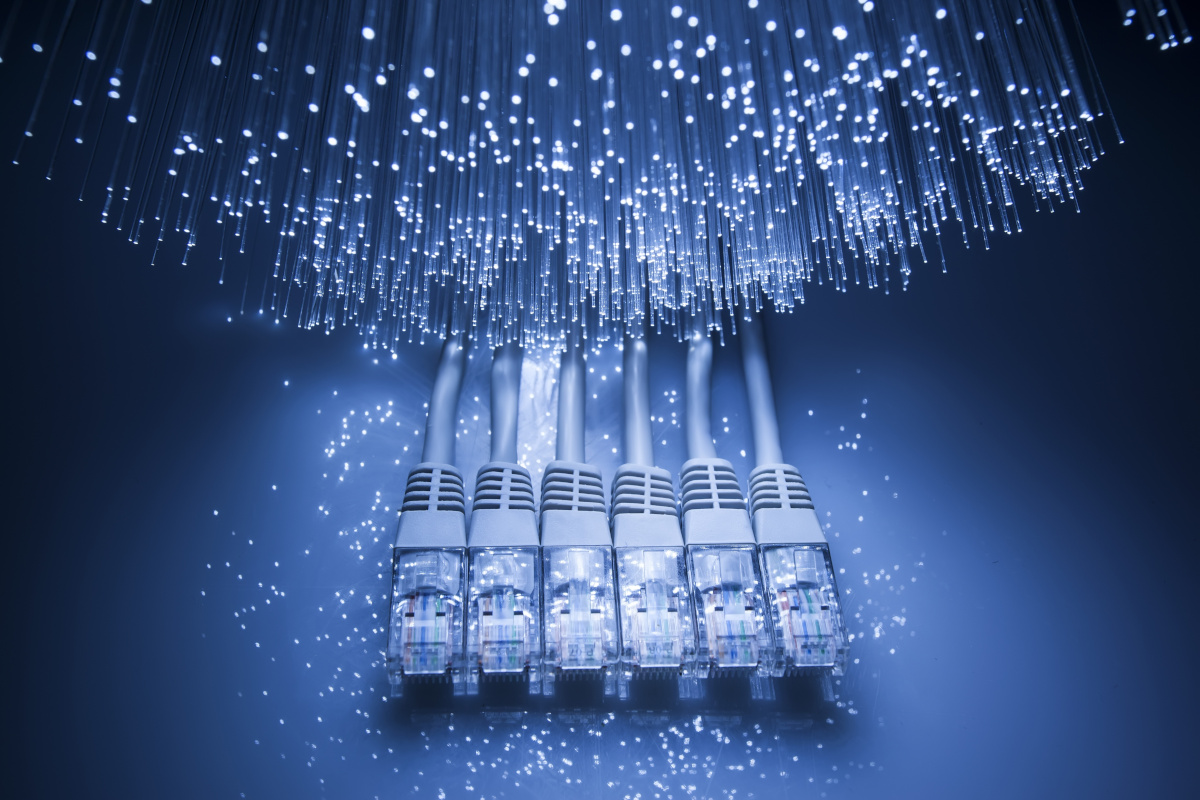
Businesses rely heavily on their network infrastructure to stay competitive and efficient. At the heart of this infrastructure lies a critical component that often goes unnoticed but plays a crucial role in keeping everything connected: data cabling. As experts in structured cabling and IT solutions, Technolink of the Rockies understands the importance of robust, reliable data cabling for businesses of all sizes. In this article, we'll explore the world of data cabling, its significance, and how it can impact your organization's performance.
What is Data Cabling?
Data cabling, also known as network cabling or structured cabling, refers to the system of cables and hardware used to transmit data, voice, and video signals within a building or campus. It forms the physical foundation of your network, connecting computers, servers, phones, and other devices to enable seamless communication and data transfer.
Types of Data Cables
There are several types of data cables used in modern networking environments. The most common include:
- Twisted Pair Cables (Cat5e, Cat6, Cat6a, Cat7)
- Fiber Optic Cables (Single-mode and Multi-mode)
- Coaxial Cables
Each type of cable has its own advantages and use cases, depending on factors such as required bandwidth, distance, and environmental conditions.
The Importance of Proper Data Cabling
Investing in a well-designed and properly installed data cabling system is crucial for several reasons:
1. Enhanced Network Performance
High-quality data cabling ensures that your network can operate at peak performance, minimizing latency and maximizing data transfer speeds. This is especially important as businesses increasingly rely on bandwidth-intensive applications and cloud-based services.
2. Future-Proofing
A well-planned cabling infrastructure can accommodate future growth and technological advancements. By installing cables that exceed current requirements, businesses can avoid costly upgrades and disruptions down the line.
3. Reliability and Uptime
Properly installed and maintained data cabling reduces the risk of network downtime and connectivity issues. This is critical for businesses that depend on constant access to their digital resources and cannot afford interruptions in their operations.
4. Cost-Effectiveness
While the initial investment in high-quality cabling may be higher, it pays off in the long run through reduced maintenance costs, fewer repairs, and improved productivity.
5. Improved Organization
A structured cabling system helps keep your network organized and easy to manage. This simplifies troubleshooting, reduces the risk of human error, and makes it easier to add or remove devices from the network.
Best Practices for Data Cabling Installation
To ensure optimal performance and longevity of your data cabling system, consider the following best practices:
1. Plan for the Future
When designing your cabling infrastructure, consider your business's future needs and potential growth. It's often more cost-effective to install higher-capacity cables now than to upgrade later.
2. Use High-Quality Components
Invest in high-quality cables, connectors, and other hardware from reputable manufacturers. Cheap, low-quality components can lead to poor performance and frequent failures.
3. Follow Industry Standards
Adhere to industry standards such as those set by TIA/EIA for structured cabling. These standards ensure compatibility, performance, and safety across different systems and components.
4. Proper Cable Management
Implement effective cable management techniques to keep your cabling organized, easily accessible, and protected from physical damage.
5. Environmental Considerations
Take into account environmental factors such as temperature, humidity, and electromagnetic interference when planning your cabling layout and choosing cable types.
6. Regular Maintenance and Testing
Conduct regular inspections and testing of your cabling system to identify and address potential issues before they cause problems.
The Role of Professional Installation
While it may be tempting to handle data cabling in-house, partnering with a professional installation team like Technolink of the Rockies offers several advantages:
- Expertise in design and implementation
- Knowledge of industry standards and best practices
- Access to specialized tools and equipment
- Efficient installation with minimal disruption to your business
- Proper documentation and labeling of the cabling system
- Ongoing support and maintenance
Data Cabling and Unified Communications
As businesses increasingly adopt unified communications (UC) solutions, the importance of a robust data cabling infrastructure becomes even more apparent. UC systems integrate various communication tools – such as voice, video, instant messaging, and collaboration platforms – into a single, cohesive ecosystem. This integration relies heavily on a high-performance network backbone to ensure smooth, real-time communication across different mediums.
At Technolink of the Rockies, we understand the synergy between data cabling and unified communications. Our expertise in both areas allows us to design and implement comprehensive solutions that leverage the full potential of your network infrastructure to support advanced communication and collaboration tools.
The Future of Data Cabling
As technology continues to evolve, so do the demands placed on data cabling systems. Some trends to watch for in the future of data cabling include:
1. Higher Bandwidth Requirements
With the increasing adoption of 4K video, virtual reality, and other data-intensive applications, the need for higher bandwidth continues to grow. This is driving the development of new cable standards and technologies capable of supporting these demanding applications.
2. Power over Ethernet (PoE)
PoE technology, which allows network cables to carry electrical power, is becoming increasingly popular for powering devices such as IP cameras, wireless access points, and IoT sensors. Future cabling systems will need to support higher power delivery to accommodate these devices.
3. Wireless and Wired Integration
While wireless technologies continue to advance, wired networks remain critical for providing the backbone infrastructure. Future cabling systems will need to support seamless integration between wired and wireless networks to provide comprehensive connectivity solutions.
4. Increased Focus on Sustainability
As businesses become more environmentally conscious, there will be a greater emphasis on sustainable cabling solutions. This includes the use of eco-friendly materials, energy-efficient designs, and strategies to reduce electronic waste.
Conclusion
Data cabling is the often-overlooked foundation of modern business technology. A well-designed and properly installed cabling system can significantly impact your organization's efficiency, productivity, and ability to adapt to future technological advancements. At Technolink of the Rockies, we specialize in providing cutting-edge structured cabling solutions tailored to your business needs.
With our extensive experience in IT management, unified communications, and network infrastructure, we can help you build a robust, future-proof data cabling system that will support your business goals for years to come. Don't let subpar cabling hold your business back – contact Technolink of the Rockies today to learn how we can enhance your network infrastructure and set your business up for success in the digital age.
Posted in: Solutions


